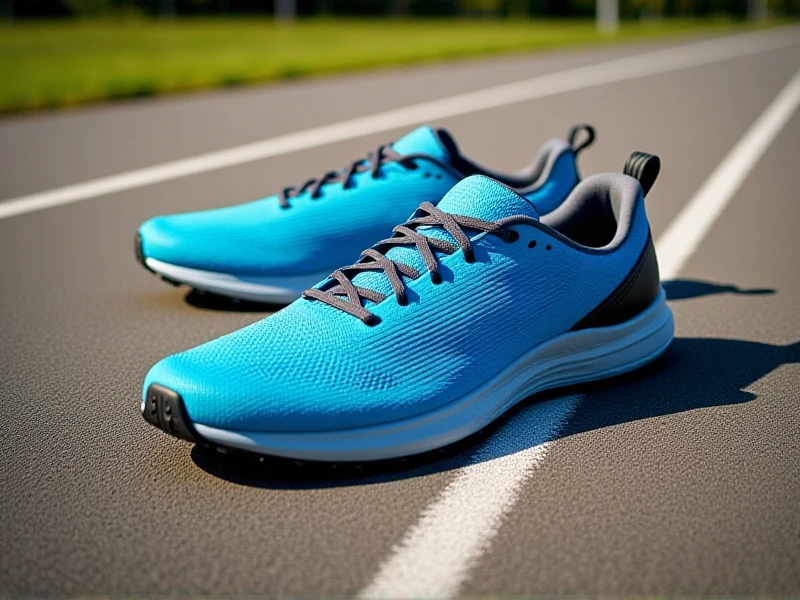
Selecting the Ideal Running Shoes for Top Performance
Running Shoes Article
Running shoes are an essential investment for anyone serious about fitness, whether you're a marathon enthusiast or a casual jogger. The right pair can transform your experience, boosting comfort, preventing injuries, and enhancing your speed and endurance. With so many options on the market, it's easy to feel overwhelmed. That's why understanding the key features and types of running shoes is crucial to making an informed choice that suits your unique needs.
When shopping for running shoes, consider your foot type and gait. For instance, neutral runners benefit from standard cushioned models that provide balanced support without overcorrection. If you tend to overpronate where your feet roll inward, stability running shoes offer structured support to keep you aligned. On the other hand, minimalist or barefoot-style running shoes promote a more natural stride for experienced runners, but they require gradual adaptation to avoid strain. Always visit a specialty store for a professional gait analysis; this personalized assessment ensures you select running shoes tailored to your biomechanics.
The components of running shoes also play a vital role. Look for ample cushioning in the midsole to absorb impact on hard surfaces like pavement, reducing joint stress and fatigue. Materials like EVA foam or newer innovations provide responsive bounce that aids efficient movement. Additionally, a durable outsole with reliable traction patterns adapts to various terrains, whether you're on trails or treadmills. Breathable uppers made from lightweight mesh keep feet cool and dry, wicking away sweat during long runs. For durability, top-tier running shoes combine high-quality synthetics with reinforced overlays in critical areas, ensuring they withstand months of regular use.
Finally, remember to prioritize fit and maintenance. Running shoes should fit snugly but comfortably, with about a thumb's width of space at the toe to prevent blisters. Try them on late in the day when feet are swollen, and always wear the socks you'd use for runs. To maintain performance, rotate between two pairs if you run frequently—this helps the cushioning recover and extends the lifespan. Aim to replace running shoes every 300–500 miles, as worn-out models lose their shock absorption and increase injury risk. By investing wisely and staying consistent with your care, the perfect pair of running shoes will become your trusted companion for hitting new personal bests.
In summary, running shoes are a smart purchase that elevates every step of your journey. Explore trusted brands like Nike or Brooks to find options that match your style and goals, and you'll notice the difference in every run.