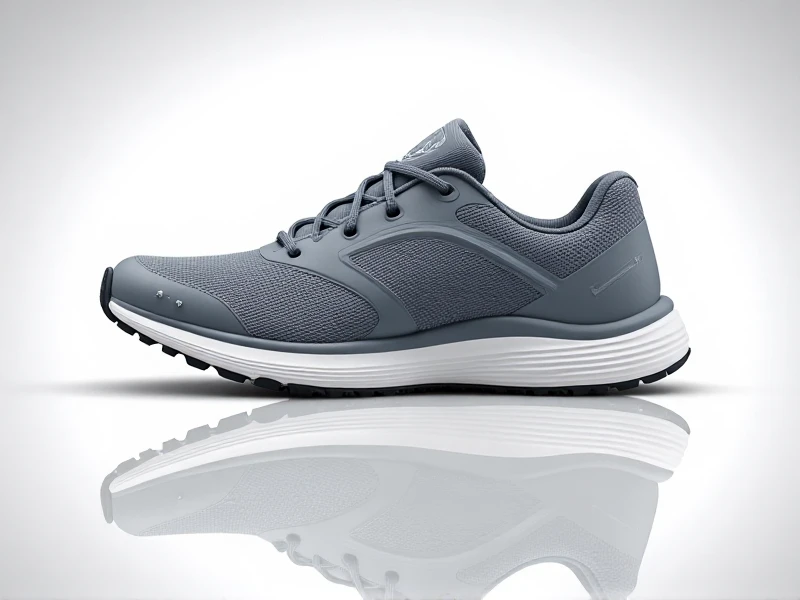
Running Shoes: Your Ultimate Guide to Choosing the Perfect Pair
SEO-Optimized Article: Running Shoes
Choosing the right running shoes is critical for performance, comfort, and injury prevention. With countless options flooding the market, understanding key features can transform your running experience. Here’s how to navigate the world of running shoes and find your ideal match.
1. Cushioning Matters
Running shoes offer varying degrees of cushioning—maximal for joint protection during long distances, minimal for natural ground feel, and moderate for versatility. Brands like Nike, Brooks, and Hoka One One engineer unique midsole technologies (e.g., React foam, DNA LOFT) to absorb impact. Prioritize cushioning based on your mileage and terrain.
2. Arch Support & Foot Type
Your foot arch (neutral, low, or high) dictates shoe stability. Overpronators need structured motion-control shoes; neutral runners excel in cushioned stability models. Consider podiatrist-approved insoles if standard arch support falls short.
3. Terrain-Specific Designs
Road running shoes prioritize lightweight construction and cushioning, while trail running shoes feature aggressive treads, rock plates, and waterproofing. Hybrid options like Saucony’s Peregrine balance both worlds.
Pro Tips:
- Replace Regularly: Running shoes lose shock absorption after 300–500 miles.
- Size Up: Feet expand during runs. Leave a thumb’s width between toes and shoe tip.
- Try Before Buying: Test shoes in-store or opt for brands with trial periods (e.g., Brooks’ 90-day guarantee).
Top 2023 Picks:
- Daily Training: Brooks Ghost 15 (balanced cushioning)
- Racing: Nike ZoomX Vaporfly (energy-return carbon plate)
- Trail: Salomon Speedcross 6 (durable grip)
Investing in quality running shoes reduces injury risk and enhances endurance. Visit our website to explore curated reviews and seasonal discounts. Your perfect pair awaits—step into comfort today!
( 398)