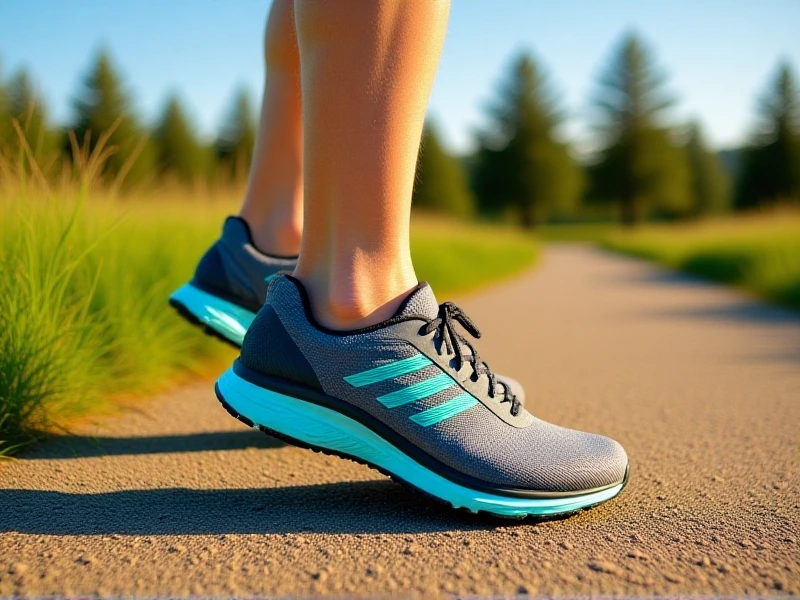
Your Ultimate Guide to Choosing the Perfect Running Shoes
Finding the right pair of running shoes is the cornerstone of a comfortable, enjoyable, and injury-prevented running journey. With countless brands, models, and technologies overwhelming the market, selecting the best Running Shoes feels daunting. This guide breaks down key considerations to empower you.
First, understand your needs. Are you hitting the pavement for daily miles, seeking speed on the track, or tackling rugged trails? Road shoes offer cushioning and flexibility for asphalt and concrete. Trail Running Shoes feature aggressive lugs for grip on mud, rocks, and roots, along with added protection. Cross-training options bridge the gap for varied workouts.
Next, critical step: determine your foot type and gait. Do you overpronate (foot rolls inward), underpronate/supinate (foot rolls outward), or have a neutral stride? Visiting a specialty running store for a gait analysis is highly recommended. Shoes are designed with specific stability features:
- Motion Control/Stability Shoes: For moderate to severe overpronation, offering firmer medial (inner) support.
- Neutral Cushioned Shoes: For neutral runners or mild pronators, focus purely on comfort and impact absorption.
- Flexible Options: Best for supinators, promoting natural foot movement.
Essential Features of Quality Running Shoes:
- Cushioning: Varies from plush (maximal) for comfort over distance, to responsive (minimal) for a faster, more ground-connected feel. Technologies like EVA foam, gel, air, or proprietary blends (e.g., Nike React, Adidas Boost) dictate the ride.
- Fit: Non-negotiable! Ensure ample toe space (about a thumbnail's width), secure heel lockdown, and no pinch points. Try shoes on later in the day when feet swell. Width options (standard, wide, narrow) are crucial.
- Drop: The heel-to-toe offset measured in millimeters. Lower drops (0-6mm) promote a more natural, mid-foot strike; higher drops (8-12mm ) ease strain on calves/Achilles and are popular for road running.
- Upper: Engineered mesh offers breathability and adaptive fit. Consider overlays for structure and lockdown.
Choosing Your Running Shoes:
- Know Your Purpose: Road, Trail, Race?
- Assess Your Gait: Stability vs. Neutral?
- Prioritize Fit: Get your feet measured professionally. Try on with running socks.
- Test Ride: If possible, jog briefly in the store or on a treadmill.
- Consider Weight & Feel: Choose a weight and cushioning level matching your running style.
- Check Durability: Look for sturdy rubber outsoles, especially in high-wear areas.
Common Running Shoe Styles:
| Feature | Stability/Support Shoes | Neutral Cushioned Shoes | Minimalist/Barefoot | Trail Running Shoes |
|---|---|---|---|---|
| Best For | Overpronators | Neutral runners/Mild pronators | Supinators/Experienced runners | Off-road terrain |
| Cushioning Level | Firm-Medium | Medium-Plush | Very Low | Medium-High |
| Heel-to-Toe Drop | Moderate-High (8-12mm) | Varies | Low-Zero (0-6mm) | Moderate-High (6-10mm ) |
| Key Benefit | Corrects inward roll | Shock absorption & comfort | Promotes natural gait | Traction & protection |
Pro Tips:
- Replace Wisely: Most Running Shoes last 300-500 miles. Don't push them beyond this as cushioning degrades.
- Seasonal Considerations: Light, breathable uppers for summer; water-resistant options for wet weather.
- Specialized Socks: Pair your shoes with proper moisture-wicking running socks to prevent blisters.
Investing time in finding your ideal Running Shoes directly impacts your performance, comfort, and long-term running health. Understand your body, understand your goals, and step confidently into your next run.