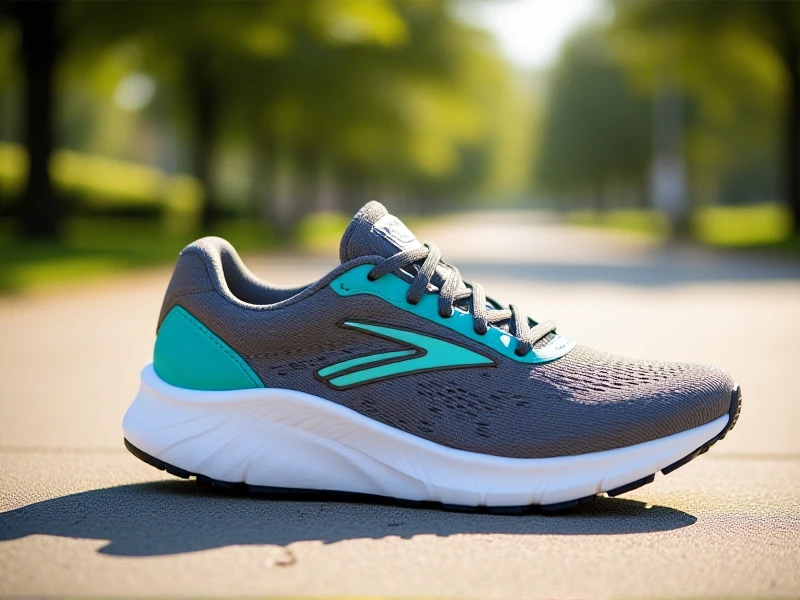
Find Your Perfect Running Shoes: Your Guide to Smoother Miles
Finding the right pair of running shoes is crucial for comfort, performance, and injury prevention. With countless options available, navigating the world of best running shoes can feel overwhelming. This guide breaks down the key factors to consider so you can hit the pavement or trails with confidence.
1. Understand Your Foot and Gait: The foundation of choosing great running shoes starts with knowing your foot type (high arch, neutral, flat) and pronation (how your foot rolls inward upon landing). Visit a specialty running store for a gait analysis – trained staff can observe your stride and recommend shoes offering the right support for running shoes or stability for runners. Neutral shoes suit most people, while stability or motion-control models help correct overpronation.
2. Cushioning: Finding Your Sweet Spot Cushioning absorbs impact. Preferences vary widely:
- Maximum Cushion: Ideal for long distances, heavier runners, or those prioritizing joint protection. Look for plush running shoes.
- Moderate/Neutral Cushion: Versatile for most runners and distances.
- Minimalist: Low drop and cushion promote a natural stride but require adaptation. Great for forefoot strikers.
- Racing/Speed: Lightweight, often with firmer responsive running shoes or aggressive rocker designs (like carbon-plated options) for faster efforts.
3. Terrain Dictates Treads:
- Road Running Shoes: Prioritize cushioning and smooth responsiveness on pavement. Flexible, lightweight designs.
- Trail Running Shoes: Feature aggressive, multi-directional lugs for grip on dirt, mud, gravel, and rocks. Often include rock plates for underfoot protection and enhanced durability for running shoes against rough terrain.
- Hybrid/Path: Versatile options blending mild trail tread with road-comfortable cushioning.
4. Fit is King (And Queen!) Never compromise on fit:
- Size Up: Feet swell while running. A thumb's width (roughly half an inch) between your longest toe and the shoe's end is ideal.
- Width: Ensure sufficient width across the ball of your foot – no pinching. Many brands offer various widths.
- Heel: Secure with minimal slipping.
- Lacing: Experiment for different lockdown needs (e.g., runner's loop for heel security).
- Shop Late: Feet are largest later in the day. Always try shoes on with your running socks!
5. Drop Matters The "drop" (heal-to-toe offset) affects your stride mechanics:
- High Drop (8-12mm): Encourages heel-striking, common in cushioned road shoes.
- Low/Zero Drop (0-6mm): Promotes a midfoot/forefoot strike, may feel more natural but requires adjustment. Popular in minimal and trail models. Choose based on comfort and what aligns with your natural gait or goals.
Key Considerations for Durability & Feel:
- Upper: Breathable mesh keeps feet cool. Seamless designs reduce blister risk. Consider weather resistance for wet conditions.
- Midsole: EVA foam (common) or increasingly popular super foams (e.g., Nike ZoomX, Adidas Lightstrike Pro, PWRRUN PB) offer lighter weight and more energy return.
- Outsole: Durable rubber in high-wear areas (like the heel) is key for long-lasting running shoes. Look for brands known for durable running shoes.
The Bottom Line: The best running shoes for you depend entirely on your unique body, gait, running goals, and preferred surfaces. Prioritize expert fitting, focus on comfort above trends, and consider replacing your shoes every 300-500 miles. Investing in the right pair ensures every run feels better and gets you closer to your goals. Happy running!