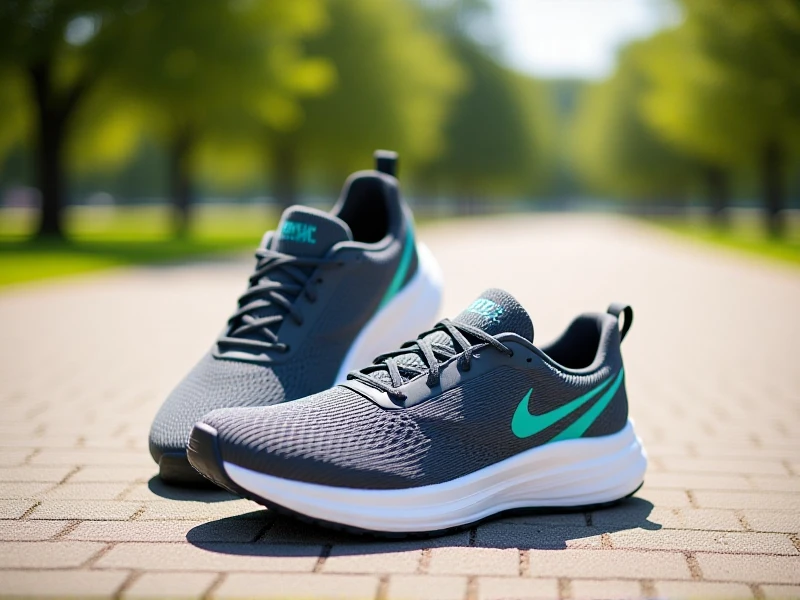
Finding the Best Running Shoes for Your Run
Running is a fantastic way to boost your health and fitness, whether you're a casual jogger or a marathon enthusiast. But to enjoy it fully, investing in the right running shoes is essential. Good running shoes provide the comfort and support your feet need, helping prevent injuries and enhancing performance. At our collection of running shoes, we understand that every runner is unique, so this guide covers everything from types to selection tips.
First, let's explore the various categories of running shoes. The key types include neutral running shoes for runners with normal arches, offering balanced cushioning. Stability running shoes are designed for moderate overpronation with added medial support. Motion control running shoes suit severe overpronators for maximum stability. For trail enthusiasts, trail running shoes feature aggressive treads and durability for rugged terrain. Daily trainers provide versatility for everyday runs, while minimalist options emphasize natural movement. Choosing the wrong type can lead to pain, so consult a gait analysis at a store or use online tools to match your needs.
When selecting running shoes, prioritize your foot type, running surface, and distance. Start by checking your arch height: flat feet often need motion control, while high arches thrive in cushioned shoes. Consider your weekly mileage; long-distance runners should opt for maximal cushioning to absorb impact. Lightweight racing flats are great for speed workouts but not ideal for daily runs. Also, think about surface—pick road running shoes for pavements or trail models for off-road adventures. Always try shoes in the afternoon when feet swell slightly, and ensure ample toe room with about a thumbnail's width. Rotate between two pairs to extend their lifespan and avoid rapid wear.
Proper maintenance keeps your running shoes performing longer. Clean them after each run with a damp cloth and mild soap; never machine-wash as it damages the cushioning. Allow them to air-dry away from direct heat to preserve materials. Replace your running shoes every 300-500 miles, as worn soles lead to poor shock absorption and injuries. Store them in a cool, dry place to prevent breakdown. By caring for your running shoes, you'll maintain support and comfort, boosting your runs every week.
In summary, the right running shoes transform your experience, making every mile enjoyable and safe. Browse our latest range of running shoes today—it's time to step into top-tier support and unlock your potential on the road!